

How to create a centerpiece for a European table?
Jul 15, 2025
Leave a message
Hey there! If you're into creating a stunning European table centerpiece, you've come to the right place. I'm a supplier of European tables, and I've seen firsthand how a great centerpiece can transform the look of a table. In this blog, I'll share some tips and ideas on how to create a centerpiece that'll make your European table stand out.
Understanding the European Aesthetic
First things first, we need to understand what makes European style unique. European design often features a blend of elegance, sophistication, and a touch of history. Think of the grandeur of French chateaus, the rustic charm of Italian villas, or the refined simplicity of Scandinavian homes. When creating a centerpiece for a European table, we want to capture some of that essence.
European style tends to favor natural materials like wood, stone, and glass. It also values craftsmanship and attention to detail. You'll often see ornate patterns, carvings, and gilded accents in European decor. Keeping these elements in mind will help you create a centerpiece that fits the overall aesthetic.
Choosing the Right Base
The base of your centerpiece is like the foundation of a building. It sets the tone and provides stability for the rest of the arrangement. For a European table, you might consider a wooden tray or a stone platter. These materials add a touch of natural warmth and earthiness.
A Wooden doors can also be a great option. They come in various styles and finishes, from rustic to polished, so you can choose one that matches your table and the overall decor of the room. If you want something more modern, a glass or metal base can give your centerpiece a sleek and contemporary look.
Selecting the Main Elements
Once you have your base, it's time to choose the main elements of your centerpiece. Flowers are a classic choice for a European table centerpiece. You can go for a traditional bouquet of roses, lilies, or tulips, or create a more eclectic arrangement with a mix of seasonal blooms.
If you prefer something more natural, you can use branches, twigs, or dried grasses. These elements add a rustic and organic feel to the centerpiece. You can also incorporate fruits or vegetables, like apples, lemons, or grapes, for a pop of color and a touch of freshness.
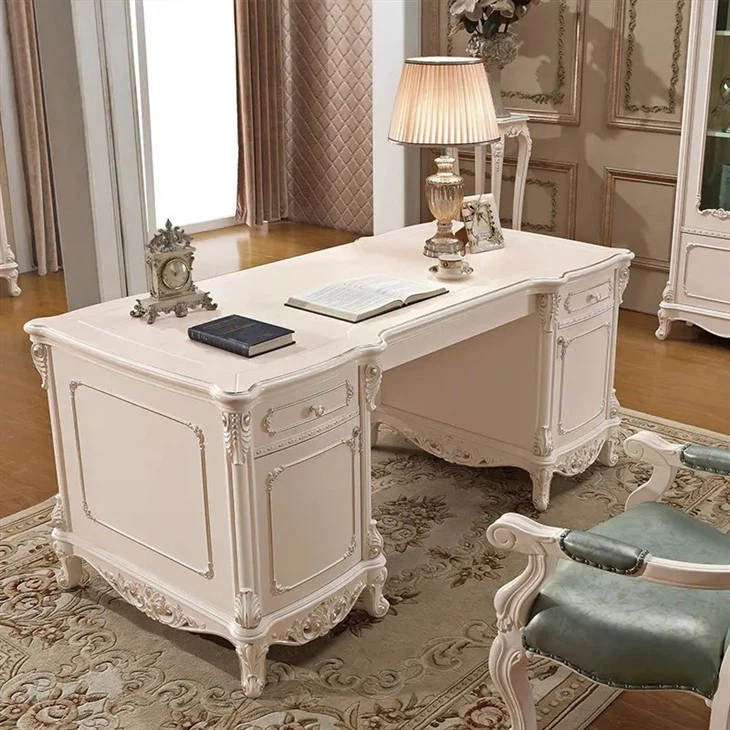

Another option is to use candles. Candles create a warm and inviting atmosphere, especially for a dinner table. You can choose from different sizes and shapes of candles, and place them in candelabras or holders for a more dramatic effect.
Adding Layers and Texture
To make your centerpiece more interesting and visually appealing, it's important to add layers and texture. You can do this by using different heights and shapes of elements. For example, you can place tall flowers or branches in the center and surround them with shorter flowers or candles.
You can also add texture by using materials like moss, burlap, or lace. These materials add a soft and organic touch to the centerpiece. You can wrap them around the base or use them to tie bows around the flowers.
Considering the Season
The season can also play a big role in your centerpiece design. In the spring, you can use bright and colorful flowers like daffodils, hyacinths, and cherry blossoms. In the summer, you can go for tropical flowers like hibiscus, orchids, and plumeria.
In the fall, you can use warm and earthy colors like oranges, reds, and browns. You can incorporate pumpkins, gourds, and leaves into your centerpiece for a festive look. In the winter, you can use evergreens, holly, and pinecones for a cozy and seasonal feel.
Coordinating with the Table and Room
Your centerpiece should not only look good on its own but also coordinate with the table and the rest of the room. Consider the color and style of your tablecloth, the chairs, and the walls. You want to create a cohesive look that ties everything together.
If your table has a lot of detail or a bold color, you might want to keep your centerpiece more simple and understated. On the other hand, if your table is plain or neutral, you can go for a more elaborate and eye-catching centerpiece.
Maintenance and Care
Once you've created your centerpiece, it's important to take care of it to keep it looking its best. If you're using fresh flowers, make sure to change the water regularly and trim the stems. If you're using candles, make sure to keep them away from flammable materials and extinguish them when not in use.
If you're using natural elements like branches or leaves, you might need to replace them every few days to keep them looking fresh. You can also dust your centerpiece regularly to keep it clean and free of debris.
Conclusion
Creating a centerpiece for a European table is a fun and creative way to add a touch of elegance and style to your dining or living space. By following these tips and ideas, you can create a centerpiece that reflects your personal taste and the European aesthetic.
If you're interested in purchasing a European table or any other furniture items, feel free to reach out to me for more information. I'd be happy to help you find the perfect pieces for your home or office.
References
- European Interior Design: A Guide to Style and Elegance. (Author, Year)
- The Art of Table Setting: Creating Beautiful Tablescapes. (Author, Year)
- Flowers and Floral Arrangements: A Comprehensive Guide. (Author, Year)